
As a group of schools serving around 11,000 students with over 1,600 colleagues and 140 governors, King Edward VI Foundation is a very diverse organisation in a diverse city.
Following our recent initiatives of videos and artwork celebrating this diversity, we are looking for staff, governors and students to share their own stories through a series of pen portraits, picking out something about themselves that they would like to share more widely. This could be anything that shows what a range of individuals we have within the Foundation: a story, a success, a challenge overcome, an interest, a little family history. The medium does not matter. It is the story that counts.
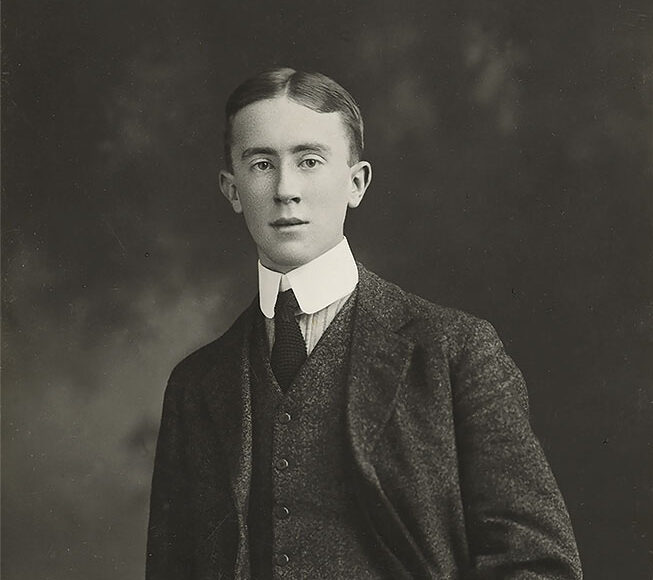
Here Jodh Dhesi, Chief Executive Officer for the Foundation starts us off with a picture of his grandfather, Waryam Singh "Khalifa" Dhesi, meeting Queen Elizabeth, later the Queen Mother, in what his family thinks is 1940s Kenya or Uganda.
"My grandfather moved to Kenya as a young man from the Punjab. The family story is that he wanted to go to America but that his English was not particularly good at the ticket office and he ended up in Africa. Whether true or not, it is one of those family stories that we share and has grown over the years. He stayed, working on the railways, and built a family before retiring back to India to farm a small-holding. (Incidentally, our surname comes from that first episode. When my grandfather arrives in East Africa to start work, the authorities informed him that there were too many new arrivals with the surname "Singh" and that he needed to take another name. He decided to take the from his village, Sang Dhesian, hence "Dhesi").
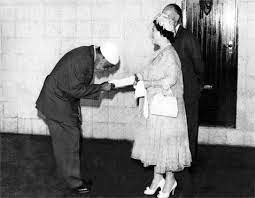
This picture says so much to me about the place and time. My grandfather’s nickname was Khalifa because of his status as a strong community leader and a pretty tough wrestler in his youth. Apparently, there was some mocking of him afterwards by his friends about how low he had bowed. After all, this was a man who was imprisoned by the British authorities in his youth in India for feeding independence supporters on a march when doing so had been forbidden. Such colonial experiences and apparent contradictions emerge in many stories. Our family’s view is that it is the respect that is consistent: respect for the hungry marchers and respect for the woman who, at the time, represented the state.
I never met my grandfather as he passed away the year before I was born. However, today his grandchildren in the UK, USA and Canada look to this picture, one of the few that we have of him, with great affection.
If you would like to contribute a similar snippet, then please do send something to me at [email protected] or to Amy Hannah ([email protected]). We would love to share your stories and experiences.